


As governments across emerging economies work to modernize public services, promote innovation, and increase citizen engagement, a new technological partner is proving to be a game-changer: LutinX.com, a blockchain-based digital certification platform that transforms how events, training programs, and public initiatives are managed and valued.
A recent example from Europe shows the potential of this model. At Impact 2030, a high-level event scheduled for October in Italy, all participants—attendees, speakers, and sponsors—will receive a digitally certified participation badge. What sets this apart from traditional certificates is the use of blockchain technology by LutinX, ensuring immutability, traceability, and international recognition of the credential.
This initiative is more than symbolic. It signifies a new level of transparency and digital value for both public and private sector events. For governments in BRICS countries and other emerging markets, implementing a similar model offers an immediate, low-cost way to transform public engagement digitally.
Imagine a government-led entrepreneurship summit in South Africa, a national teacher training week in Brazil, or a youth innovation bootcamp in India. By integrating LutinX digital badges, ministries and institutions can certify participation, learning, and contribution with tools that are:
- Tamper-proof and secure, thanks to blockchain.
- Easily shareable on platforms like LinkedIn and CVs, boosting employability.
- Verifiable globally, removing doubt or fraud about attendance or qualifications.
- Capable of collecting metadata, providing insights into engagement, demographics, and ROI.
This is especially significant in countries where bureaucracy, verification, and documentation pose challenges. With LutinX’s technology, a government agency can not only issue a digital certificate but also link it to verified KYC, program details, evaluation scores, or specific learning outcomes. These badges serve as long-term assets for citizens and provide a trackable KPI for measuring public investment impact.
Furthermore, this technology perfectly supports digital government initiatives, national blockchain plans, and the UN Sustainable Development Goals, especially in areas like quality education, decent work, and innovation infrastructure.
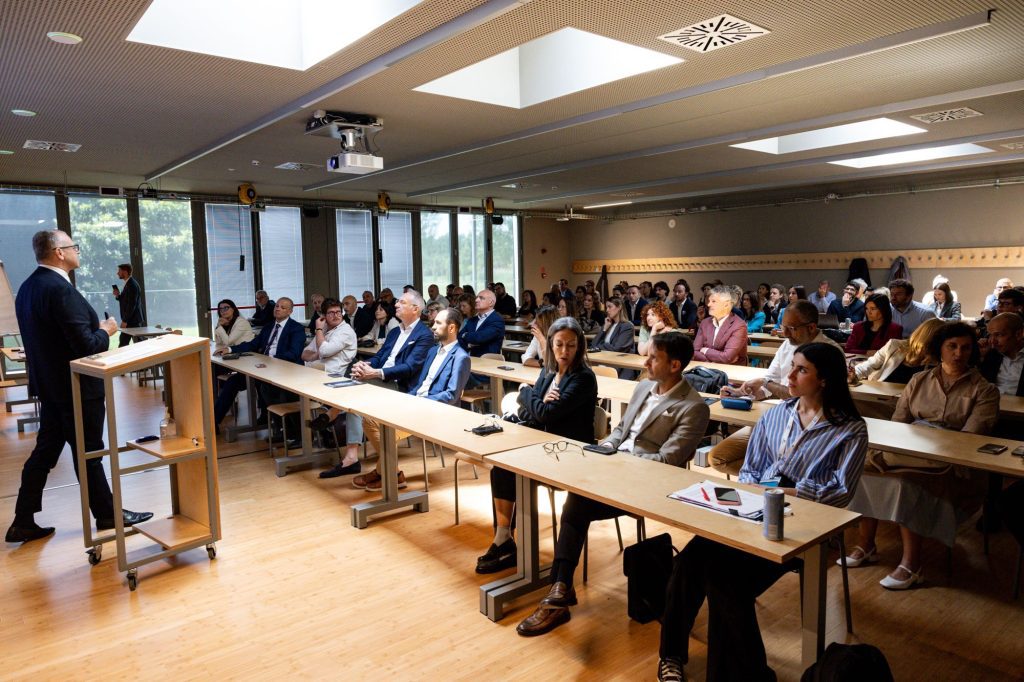
The use of blockchain badges also introduces a new tool for public diplomacy. Countries participating in international events or hosting regional summits can provide verified recognition for participants, enhancing both the event’s prestige and the attendees’ experience. It establishes a new standard where inclusion, transparency, and rewards come together in a single, verifiable digital token.
From a development standpoint, this model integrates smoothly with existing funding programs, such as those from development banks, international donors, or public-private partnerships. For example, a vocational training initiative co-funded by a BRICS country and a multilateral organization could use LutinX technology to issue credentials, monitor progress, and showcase results measurably.
LutinX, already operating in over 100 countries—including recent expansions into Ghana, India, and Latin America—provides ready-to-use solutions tailored for government and institutional needs. Their suite of tools, such as L.Stamp (blockchain digital signatures), CZone (content and IP protection), and BBadges (digital badges for education and events), creates a strong ecosystem for public sector digital transformation.
In conclusion, the Impact 2030 experience provides a real-world example that BRICS nations can adopt or adapt locally. With the right partnerships, events, and government initiatives, they can go beyond mere gatherings—they can become trusted, inclusive, and measurable journeys.
Now is the time for emerging countries to harness blockchain for good—not just as a financial tool, but as a driver of civic engagement, transparency, and national innovation.
###
BRICS24.News supports the dialogue on technologies that empower global development. Follow us for more on how blockchain, AI, and education are shaping the future across BRICS nations.


